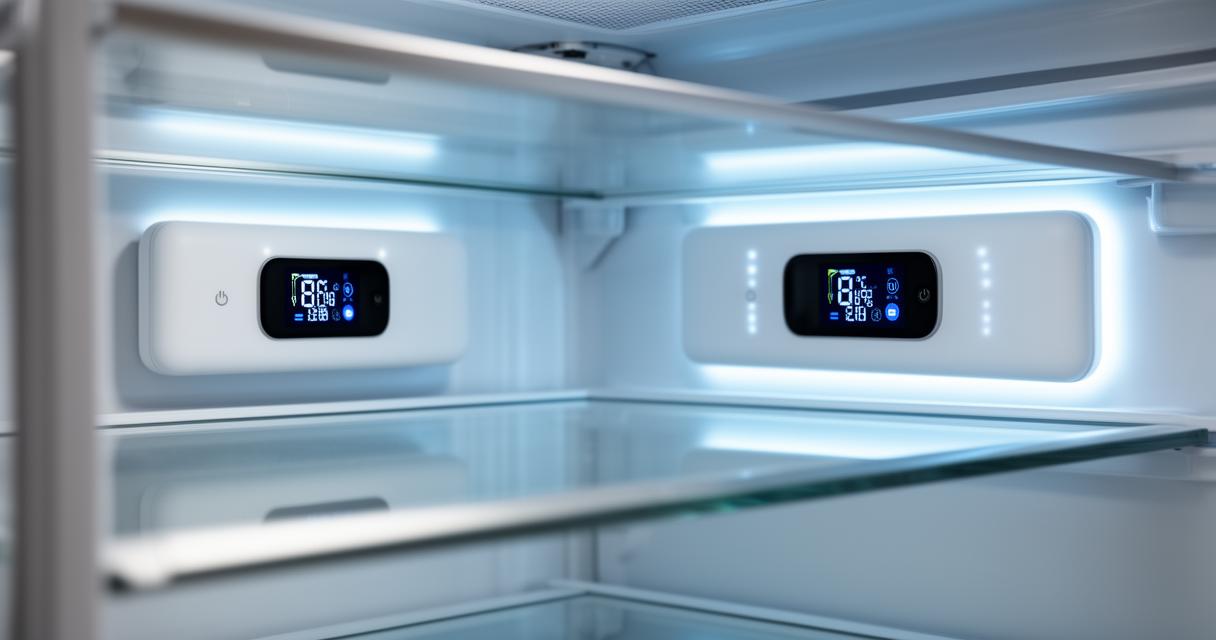
Maintaining a fridge that operates efficiently without the frustration of excessive ice accumulation is a goal shared by many households and commercial kitchens alike. Ice build-up not only reduces the usable space inside your appliance but also forces it to work harder, consuming more energy and potentially shortening its lifespan. Understanding the underlying causes and implementing practical strategies can transform your refrigeration experience, ensuring food stays fresh and your appliance runs smoothly for years to come.
Understanding temperature control and frost prevention
Why maintaining optimal fridge and freezer temperatures matters
Setting your fridge and freezer to the correct temperatures is fundamental to preventing unwanted ice formation. The freezer should ideally be maintained at minus eighteen degrees Celsius, while the fridge compartment should sit comfortably between three and five degrees Celsius. These precise settings are not arbitrary; they represent the sweet spot where food preservation is maximised and ice formation is minimised. When temperatures are too low, moisture in the air condenses and freezes onto surfaces, creating layers of frost that can quickly become problematic. Conversely, if the temperature is too high, the appliance struggles to maintain consistent cooling, leading to temperature fluctuations that encourage condensation and subsequent freezing. By adhering to these recommended settings, you create an environment where your appliance functions as intended, reducing the workload on the compressor and maintaining energy efficiency. This careful balance not only preserves the quality of your stored food but also prevents the buildup of ice that can obstruct air circulation and reduce the overall effectiveness of your refrigeration system.
How temperature fluctuations lead to ice formation
Temperature inconsistencies within your fridge or freezer are among the most common culprits behind excessive ice accumulation. Every time the appliance door is opened, warm air rushes in, bringing with it moisture that condenses on the cold interior surfaces. Frequent door openings, especially in busy households or commercial settings, exacerbate this issue significantly. The warm air not only raises the internal temperature temporarily but also introduces humidity, which quickly turns into frost when the cooling cycle kicks back in. This cycle repeats with each door opening, gradually building up layers of ice that can become quite substantial over time. Additionally, storing hot or uncovered food directly in the fridge or freezer introduces further moisture into the environment, accelerating the freezing process on interior walls and shelving. Overloading the appliance also restricts airflow, preventing the even distribution of cold air and creating pockets where condensation can settle and freeze. By being mindful of how often you open the doors, allowing food to cool before storing it, and ensuring adequate space for air circulation, you can significantly reduce the temperature fluctuations that lead to troublesome ice build-up.
Regular defrosting and maintenance techniques
The Benefits of Scheduled Defrosting for Energy Efficiency
For those who own appliances that are not frost-free, regular defrosting is an essential maintenance task that should not be overlooked. Ice accumulation forces your fridge or freezer to work harder to maintain the desired temperature, as the frost acts as an insulating barrier that prevents efficient heat transfer. This increased workload translates directly into higher energy consumption and elevated electricity bills. By scheduling regular defrosting sessions, you remove this insulating layer and allow the appliance to operate at its optimal efficiency. The process itself is straightforward: switch off the appliance, remove all food items, and allow the ice to melt naturally. Placing towels around the base can help absorb the melting water and prevent any mess. While it may seem inconvenient, the benefits are substantial. Not only does defrosting improve energy efficiency, but it also extends the lifespan of your appliance by reducing strain on the compressor and other components. Moreover, it provides an excellent opportunity to clean the interior thoroughly, removing any spills or residues that may have accumulated. Incorporating defrosting into your routine maintenance schedule ensures that your fridge or freezer continues to perform reliably, keeping your food fresh and your energy costs in check.
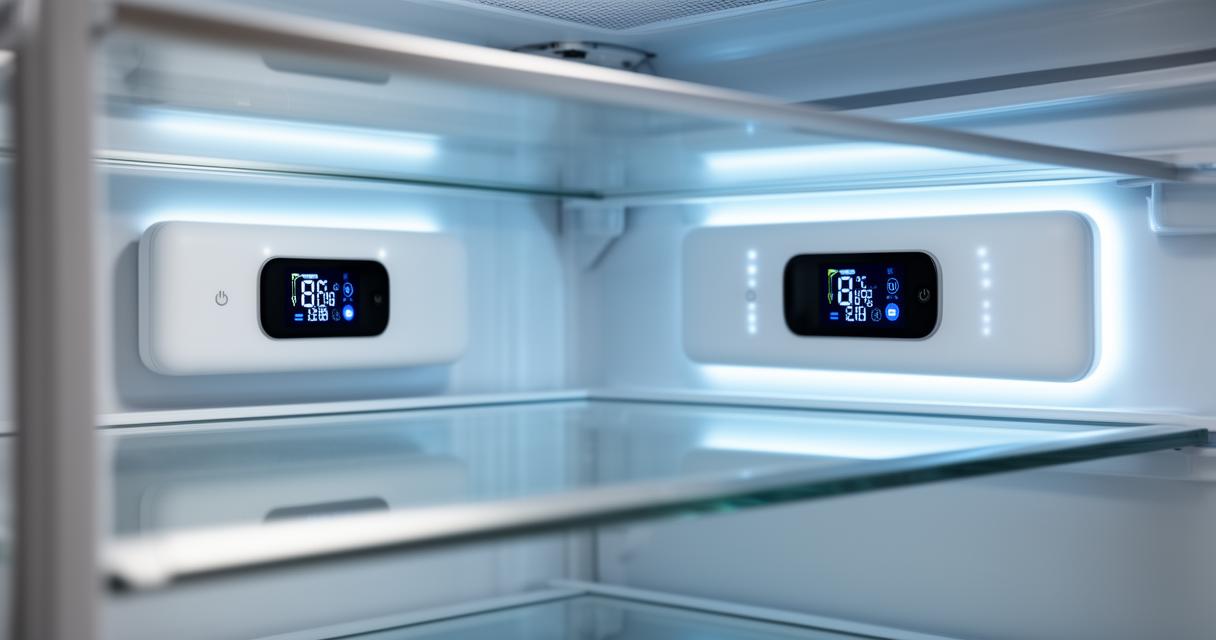
Using Vinegar as a Natural Cleaning Solution During Defrosting
Once the ice has melted and you are ready to clean the interior, using vinegar as a natural cleaning agent is both effective and environmentally friendly. Vinegar possesses antibacterial properties that help eliminate germs and odours, making it an ideal choice for sanitising the surfaces of your fridge or freezer. Simply mix equal parts of white vinegar and water in a spray bottle, and apply the solution to the interior walls, shelves, and drawers. Wipe down all surfaces with a clean cloth, paying particular attention to corners and crevices where moisture and spills may have accumulated. The acidity of the vinegar helps break down any stubborn residues and neutralises unpleasant smells, leaving your appliance fresh and clean. Unlike harsh chemical cleaners, vinegar is safe to use around food and poses no risk to your health or the environment. After cleaning, ensure that all surfaces are thoroughly dried before switching the appliance back on and restocking it with food. This step is crucial, as any residual moisture can quickly turn into frost once the cooling cycle resumes. By incorporating vinegar into your defrosting routine, you maintain a hygienic environment while also taking a proactive step towards preventing future ice build-up.
Organisation strategies and troubleshooting common issues
Improving airflow through proper food storage and arrangement
The way you organise and store food within your fridge or freezer has a direct impact on airflow and, consequently, on ice formation. Overcrowding shelves and drawers restricts the circulation of cold air, creating warm spots where condensation can settle and freeze. To optimise airflow, ensure that food items are not packed too tightly together and that there is sufficient space between items for air to move freely. Storing food in airtight containers is particularly beneficial, as it prevents moisture from escaping into the appliance and reduces the likelihood of frost forming on exposed surfaces. Airtight containers also help maintain the freshness and quality of your food, preventing freezer burn and preserving flavours. Additionally, avoid placing items directly against the back wall or near air vents, as blocking these areas impedes the distribution of cold air and encourages ice accumulation. Regularly reviewing the contents of your fridge and freezer allows you to remove expired items and reorganise remaining food more efficiently, ensuring that airflow is never compromised. By adopting these simple organisational strategies, you create an environment where cold air circulates evenly, reducing the chances of frost and keeping your appliance running smoothly.
Identifying and Replacing Faulty Components to Reduce Ice Build-Up
Even with the best maintenance practices, ice build-up can persist if certain components of your appliance are faulty or worn out. One of the most common culprits is a damaged or deteriorating door seal. The seal, also known as a gasket, is responsible for creating an airtight closure when the door is shut. If the seal is cracked, torn, or no longer fits snugly, warm air can seep into the appliance, bringing moisture that quickly condenses and freezes. Signs that your door seal may need replacement include visible damage, difficulty closing the door properly, excessive frost forming near the door edges, and an unexplained rise in energy bills. Replacing a faulty seal is a straightforward task that can dramatically improve the efficiency of your fridge or freezer. Bespoke Seals offers a range of replacement options, including bespoke seals tailored to fit your specific appliance, as well as branded seals and PVC curtains for commercial settings. For assistance or to order replacement seals, you can contact Bespoke Seals at 01379 788221. Beyond door seals, other components such as thermostats, defrost timers, and evaporator fans can also contribute to ice formation if they malfunction. Regularly inspecting these parts and addressing any issues promptly ensures that your appliance operates at peak performance, minimising the risk of ice build-up and maintaining energy efficiency.