
The search for a genuinely compact smartphone has become something of a niche pursuit in recent years, as manufacturers have largely embraced ever-larger displays. Yet for those who value pocketability, one-handed operation, and freedom from the distractions of expansive screens, the appeal of a smaller device remains undeniable. In 2025, the market offers a surprising variety of options that balance portability with modern capabilities, from premium flagships to budget-conscious alternatives. Understanding which models deliver the best combination of performance, endurance, and value requires a closer look at the technology packed into these diminutive devices.
Essential performance features in compact 4-inch smartphones
When evaluating small phones, it is tempting to assume that reduced dimensions necessarily mean compromised power. This is no longer the case, as many compact devices now house the same cutting-edge processors and generous memory allocations found in their larger siblings. The key to seamless daily use lies in selecting a model that pairs a capable chipset with sufficient RAM, ensuring that multitasking, media consumption, and even demanding applications run without frustrating lag or stutter. Premium compact offerings frequently feature flagship-grade silicon, enabling them to handle everything from casual browsing to more intensive tasks with ease.
Processor Power and RAM Requirements for Seamless Daily Use
A modern smartphone processor must strike a delicate balance between raw computational power and energy efficiency, a challenge that becomes even more critical in smaller form factors where battery capacity is naturally constrained. Leading compact devices in 2025 often incorporate the latest generation of mobile chipsets, which leverage advanced manufacturing processes to deliver impressive performance without draining the battery excessively. For most users, a processor paired with at least six gigabytes of RAM will suffice for fluid operation across a wide range of applications, though power users may prefer eight gigabytes or more to ensure longevity as software demands evolve. The combination of a responsive chipset and adequate memory ensures that switching between apps, loading content, and even light gaming occur without noticeable delay.
Display Technology Comparison: AMOLED versus OLED in Small-Format Devices
Screen technology has advanced considerably in recent years, and even compact smartphones now benefit from vibrant, energy-efficient displays. AMOLED and OLED panels dominate the premium segment, offering deep blacks, vivid colours, and excellent contrast ratios that make media consumption a pleasure despite the reduced real estate. The choice between these technologies often comes down to subtle differences in colour tuning and power consumption, with OLED variants sometimes edging ahead in brightness and longevity. For users who prioritise visual clarity and richness, either technology delivers a superior experience compared to older LCD panels, which remain common in entry-level models. The smaller screen size also means that pixel density is often higher, resulting in sharp text and crisp imagery that rivals or exceeds that of larger handsets.
Battery Life Considerations and Charging Solutions for Pocket-Sized Mobiles
One of the most significant trade-offs in compact smartphone design is battery capacity. Physics dictates that a smaller chassis affords less internal volume for a power cell, yet modern engineering and software optimisation have made remarkable strides in extending endurance. While the longest-lasting models can achieve well over twenty hours of mixed use, others hover around twelve to thirteen hours, which may require more frequent top-ups for heavy users. Understanding the realistic expectations for battery performance in a given model is essential to avoid disappointment, as is taking advantage of rapid charging technologies that can restore a substantial portion of capacity in a matter of minutes.
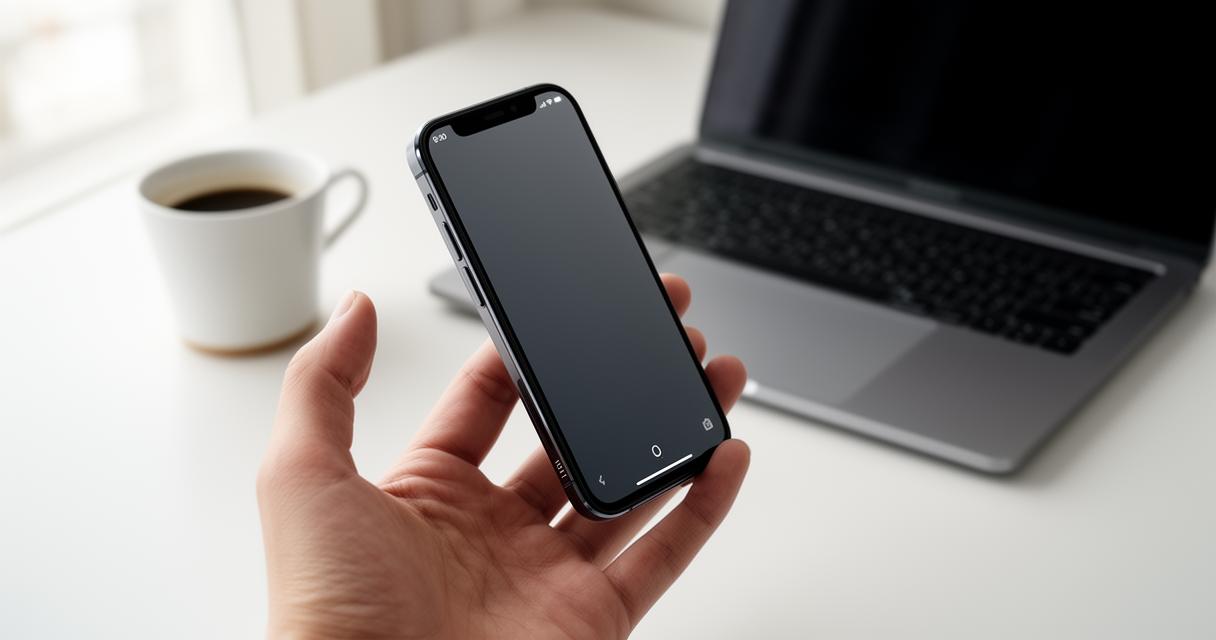
Realistic battery capacity expectations in 4-inch form factors
Battery life varies considerably across the compact smartphone landscape, influenced by factors such as processor efficiency, display technology, and software optimisation. Some of the best performers in this category manage to deliver over a full day of use on a single charge, with certain models achieving nearly twenty-five hours of continuous operation in testing scenarios. Others, particularly those with more power-hungry displays or less refined energy management, may offer closer to twelve hours of endurance. This range underscores the importance of consulting expert ratings and real-world usage reports when selecting a device, as manufacturers' claims do not always align with practical experience. For users who are frequently on the move and unable to charge regularly, prioritising a model with proven stamina can make the difference between convenience and constant anxiety over power levels.
Fast charging technologies available in compact smartphones
To mitigate the limitations of smaller batteries, many manufacturers have equipped their compact devices with rapid charging capabilities. These technologies enable a device to regain a significant percentage of its capacity in as little as fifteen or twenty minutes, transforming even brief charging sessions into meaningful boosts. Some high-end models also support wireless charging, offering added convenience for users who prefer cable-free solutions. While fast charging does not entirely eliminate the constraints of a smaller power cell, it does provide a practical workaround that fits well with modern lifestyles, where short bursts of downtime can be strategically used to top up a device. When evaluating options, it is worth confirming both the maximum charging speed supported and the availability of compatible accessories, as these factors will directly impact day-to-day usability.
Budget-Friendly Options and Where to Purchase Your Ideal Compact Phone
Cost remains a decisive factor for many buyers, and the compact smartphone market offers a wide spectrum of pricing. At one end, premium flagships from established brands command substantial sums, justified by cutting-edge cameras, advanced AI features, and flagship-grade processors. At the other, more affordable models deliver solid performance and essential features at a fraction of the price, making them ideal for budget-conscious consumers or those seeking a secondary device. Understanding the trade-offs inherent in each price tier, and knowing where to find the most competitive deals, can help buyers secure a device that meets their needs without breaking the bank.
Comparing prices across samsung, xiaomi, apple, and motorola models
The compact smartphone market encompasses a diverse array of manufacturers, each bringing distinct strengths and pricing strategies to the table. Apple's offerings, while often commanding a premium, deliver exceptional build quality, seamless integration with the broader ecosystem, and outstanding performance that justifies the higher outlay for many users. Samsung's compact models similarly occupy the upper tier, pairing powerful hardware with sophisticated AI tools and impressive displays. Meanwhile, brands such as Xiaomi and Motorola provide compelling alternatives for those seeking value, with mid-range and budget-friendly devices that sacrifice little in core functionality. Flip phones and folding designs from Motorola, for instance, offer innovative form factors at prices that remain accessible compared to flagship slab-style phones, while maintaining respectable battery life and call quality. Google's offerings strike a middle ground, with models that deliver excellent camera performance and advanced AI at a more approachable price point than their premium competitors.
Reliable Retailers and Online Marketplaces for Securing the Best Deals
Once a preferred model has been identified, the next step is to locate the most advantageous purchasing channel. Online marketplaces frequently offer competitive pricing, particularly during promotional periods, and provide the convenience of home delivery alongside comprehensive customer reviews that can inform final decisions. Established e-commerce platforms often feature price-matching guarantees and flexible return policies, adding a layer of security to the buying process. Physical retailers, including dedicated mobile phone shops and large electronics chains, offer the advantage of hands-on evaluation and immediate availability, which can be invaluable for buyers who wish to assess build quality and ergonomics before committing. Comparing prices across multiple channels and watching for seasonal sales or trade-in incentives can yield significant savings, making even premium compact devices more accessible to a wider range of budgets.